Butterfly Pea Flower: Benefits, Uses, Tea and Side Effects
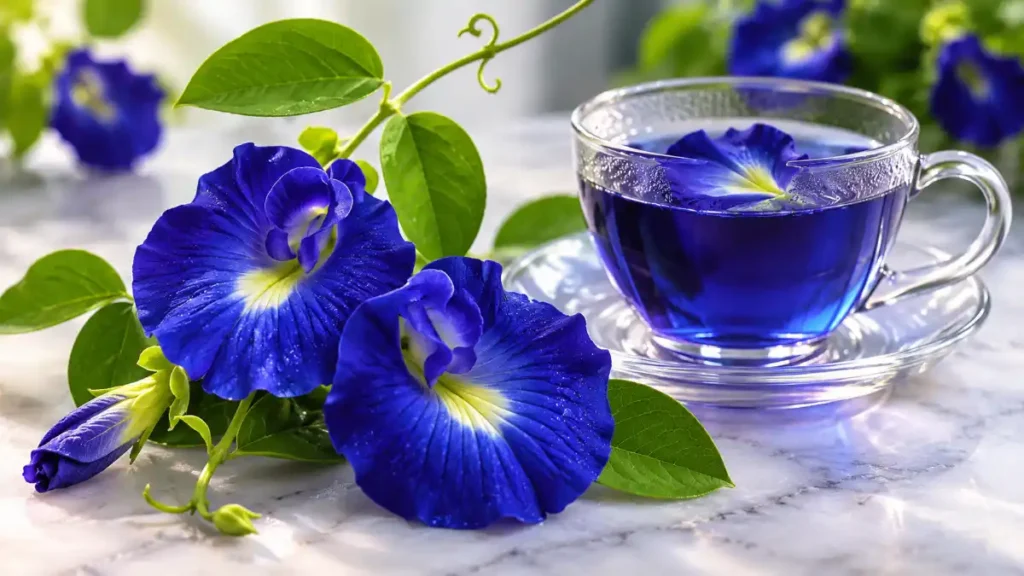
The butterfly pea flower is produced by Clitoria ternatea, which is an annual climbing vine in the pea family (Fabaceae). The most unique feature of these plants is their bright blue flowers that are often used to make herbal teas, add color to food and drinks, and decorate gardens. The reason for their bright blue coloration is due to anthocyanins, specifically a type of pigment known as ternatins.
The blue pea flower (or butterfly pea flower) has a long history of being used in traditional herbal medicine, but there is still very little scientific evidence regarding the effects of using this plant to help treat disease. On the other hand, it has been used in many ways as a food ingredient.
What Is Butterfly Pea Flower?
Butterfly pea is a type of flowering vine that can be found growing in many different types of tropical and subtropical environments throughout the world, particularly in parts of Asia. Other common names for butterfly pea include blue pea, Asian pigeonwings, and aparajita (in parts of India).
| Feature | Description |
| Scientific name | Clitoria ternatea L. |
| Plant family | Fabaceae |
| Plant type | Herbaceous climbing perennial |
| Flower colors | Blue, violet-blue, and white |
| Growing regions | Tropical and subtropical climates |
| Main pigments | Anthocyanins, particularly ternatins |
| Popular beverage | Butterfly pea flower tea |
| Common uses | Food coloring, herbal beverages, and ornamental gardening |
| Natural caffeine content | None in pure flower tea |
What Does Butterfly Pea Flower Look Like?
The petals of the flower are generally round and blue in shape, but there is usually a central area that is pale yellow or white. In some varieties, the flowers can be either blue-violet or white.
This plant develops long, thin, coiled stems, multiple leaf segments that are green, and long seed cases. All of these characteristic plant features allow for differentiation of butterfly pea from other types of plants that have similarly colored blue flowers. The color of the flower by itself cannot be used as an accurate identifier for the species.
Butterfly Pea Flower Benefits
In addition to its anthocyanin content, butterfly pea flower has been found to contain several other types of flavonoid compounds. Researchers have investigated the antioxidant effects and possible health benefits of these compounds. Although some research on butterfly pea flower exists in the form of laboratory experiments, animal studies, and small human trials, there is currently no large-scale clinical study available.
PubMed Central (PMC) – Research on Clitoria ternatea.
PubMed Central (PMC)
| Potential benefit | Scientific evidence |
| Antioxidant activity | Supported by laboratory research and preliminary human studies |
| Blood sugar response | Limited human research suggests possible short-term effects |
| Blood lipid response | Preliminary evidence of changes in post-meal triglyceride levels |
| Anti-inflammatory effects | The experimental results suggest that there could be some positive effects; however, there is not enough evidence based on humans to make a definitive statement. |
| Brain and memory health | Primarily studied in animals |
| Skin and hair health | No strong evidence that drinking the tea improves skin or hair health |
| Weight management | No proven direct weight-loss effect |
| Relaxation and immunity | Insufficient clinical evidence |
| Hydration | Contributes to daily fluid intake |
Unsweetened butterfly pea flower tea has no naturally occurring caffeine, so it can be used instead of sugar-laden beverages and caffeinated drinks.
Potential Effects on Blood Sugar and Blood Lipids
A randomized crossover study published in 2018 included 15 healthy male subjects. These subjects consumed the butterfly pea flower extract along with sugar. The researchers found that consuming these two items together would help lower some of the immediate effects of an increase in blood glucose levels and insulin.
PubMed
The 2021 research on 16 male subjects who were either overweight or obese demonstrated that after consuming a high-fat diet, there was an increase in some of their triglyceride levels as well as their antioxidants. On the other hand, the study failed to demonstrate any significant improvement in blood glucose response, nor did it show an effect on their inflammatory markers.
PubMed
The results are promising; however, they are only preliminary. This study does not prove that butterfly pea flower can treat diabetes, lower cholesterol over the long term, or prevent heart disease. The extract used in these studies could be very different from homemade tea.
Why Is Butterfly Pea Flower Blue?
The bright blue hue of the butterfly pea flower is due to a series of anthocyanin pigments called anthocyanins, which alter their color based on pH levels.
The fresh-brewed infusion will usually be a deep blue in color. After adding lemon juice to the infusion, it will shift from blue to either purple or pink because of the increased acidity of the infusion.
The ultimate color of the beverage will depend on several factors such as how much acid is added to the mix, the concentration of the pigment, and other ingredients. The natural chemical process that occurs with this product is why butterfly pea tea has become so popular in color-changing drinks. However, the color change does not signify that the drink has detoxifying properties or provides additional health advantages.
How to Make Butterfly Pea Flower Tea
Butterfly pea flower tea (commonly referred to as blue tea) has a very gentle, slightly earthy flavor, with just enough floral flavor to give it some character. Blue tea is simple to make from dried flowers and can be consumed either hot or cold.
Ingredients
- 4–6 small, food-grade dried butterfly pea flowers
- 1 cup (240 mL) of hot water
- Lemon juice (optional)
- Honey or another sweetener (optional)
Preparation
- Place the dried flowers in a clean cup or teapot.
- Pour hot water over the flowers.
- Let them steep for 5–10 minutes or follow the package instructions.
- Strain the flowers once the water develops a rich blue color.
- Add lemon juice for a color change or sweetener to taste.
- Serve warm or over ice. Refrigerate promptly if you plan to drink it later.
These measurements were created to be used during daily drink making, not to represent an appropriate amount of medicine to take.
For another fruit-based beverage option, explore pineapple juice benefits, including its nutritional properties and considerations.
Butterfly Pea Flower Uses
The butterfly pea flower is prized for more than its unique-tasting tea. It has many uses such as food coloring, beverage making, and gardening because of its natural colors and attractive physical characteristics.
- Beverages: Adds a vivid blue hue to lemonade, mocktails, and herbal teas.
- Rice dishes: Creates naturally blue rice in traditional Southeast Asian recipes.
- Desserts: Provides natural coloring for jellies, puddings, and other sweets.
- Food Garnishes: When properly identified, food-grade flowers may be used as a way to garnish plates.
- Natural coloring for food: The use of commercial flower extracts provides the source for some botanical pigments used in food products.
- Ornamental Gardening: A climbing vine provides color on trellises, fences, and within your garden.
- Herbs traditionally prepared for use in Ayurvedic and other regional herbal practices.
The FDA approved some food-coloring uses for the butterfly pea flower extract in 2021 and extended the approval for additional uses in 2025. These approvals are limited to particular food-coloring uses and do not include approvals for use as medical treatment.
hfpappexternal.fda.gov+1
Butterfly Pea Flower Tea vs. Green Tea
The two teas have some similarities (both have naturally occurring antioxidants; however, the two are produced by different plant, and have different flavors, caffeine levels, and chemical makeup.
| Feature | Butterfly pea flower tea | Green tea |
| Botanical source | Clitoria ternatea | Camellia sinensis |
| Typical color | Blue or violet | Pale green or yellow-green |
| Caffeine | Naturally caffeine-free | Naturally contains caffeine |
| Main compounds | Tannin anthocyanins | Catechins, including EGCG |
| Human health research | Limited | More extensive |
Butterfly pea tea can be an alternative to drinking coffee or other caffeinated beverages if you want to avoid caffeine. However, both of these types of teas are equally healthy.
For another look at plant-based nutrients and antioxidants, see pineapple benefits.
Butterfly Pea Flower Side Effects and Safety
Although butterfly pea flower has been used in cooking for centuries, there is little evidence to support the safety of consuming high doses of extracts over an extended period of time. A 2026 scientific review of the butterfly pea flower found major voids in our understanding regarding its long-term effects on health, the possible risks associated with use during pregnancy or while breastfeeding, and how it may interact with prescription drugs.
PubMed
Potential safety considerations include:
- Allergic reactions or individual intolerance.
- Prescription drugs may have interactions that are not well defined.
- Limited safety information about prolonged or high-dose consumption.
- Contamination or incorrect botanical identification in poorly sourced products.
Always select food-grade flowers that are properly identified by the supplier. Before consuming concentrated butterfly pea flower products, people who have taken prescription medication or have a long-term illness like diabetes should consult with their physician.
Is Butterfly Pea Flower Safe During Pregnancy?
The amount of reliable human research is insufficient to determine if the use of butterfly pea flower is safe for women who are pregnant or nursing. Therefore, it is recommended that women who are either pregnant or nursing speak with their health care provider prior to using any form of butterfly pea preparations (such as extracts or supplements).
The traditional use of this product has no bearing on whether it can be used safely by pregnant women or those who are breastfeeding.
How to Grow Butterfly Pea Flower
Butterfly pea will grow best when grown in warm, sunlit areas with properly drained soils. As the butterfly pea is not frost-tolerant, gardeners that live in cold climates may wish to use it as an annual crop.
North Carolina Extension Gardener Plant Toolbox
North Carolina Extension Gardener Plant Toolbox
The seeds should be sown into warm soil, and you need to provide a trellis, fence, or similar support system so that your climbing stem can grow upwards. You will also need to water the plants on a regular basis; however, try to avoid having the soil become waterlogged.
Harvest the flower when it has reached full bloom. If you intend to cook with the flowers, or use them in your tea, ensure that the plants on which the flowers grow were never sprayed with chemical products that cannot be used on food crops.
For related information about nutritional compounds that support skin structure, read about collagen and its role in the body.
Frequently Asked Questions
What is butterfly pea flower used for?
Butterfly pea flower is commonly used to make herbal tea, naturally color rice and desserts, prepare color-changing beverages, and decorate dishes. The climbing plant is also grown in gardens for its attractive flowers.
What are the benefits of butterfly pea flower tea?
Butterfly pea tea contains antioxidant compounds and offers a naturally caffeine-free way to stay hydrated. Small human studies involving flower extracts suggest possible short-term effects on blood sugar and triglyceride levels, but the long-term health benefits of drinking the tea remain unproven.
Can you drink butterfly pea flower tea every day?
There is no scientifically established daily intake that guarantees long-term safety or health benefits. Occasional consumption as a food-grade herbal tea differs from regularly taking concentrated extracts. Consult a healthcare professional if you take prescription medications or have an underlying health condition.
Why does butterfly pea tea change color with lemon?
Lemon juice lowers the tea’s pH, changing how its anthocyanin pigments absorb light. As a result, the blue infusion can turn purple or pink, depending on how much lemon juice is added.
Are there any side effects of butterfly pea flower?
Some people may experience allergic reactions or individual intolerance. Research into medication interactions, long-term consumption, and concentrated supplements remains limited, so medicinal use requires additional caution.