
Natural Appetite Suppressant: Foods, Supplements, Effectiveness and Safety
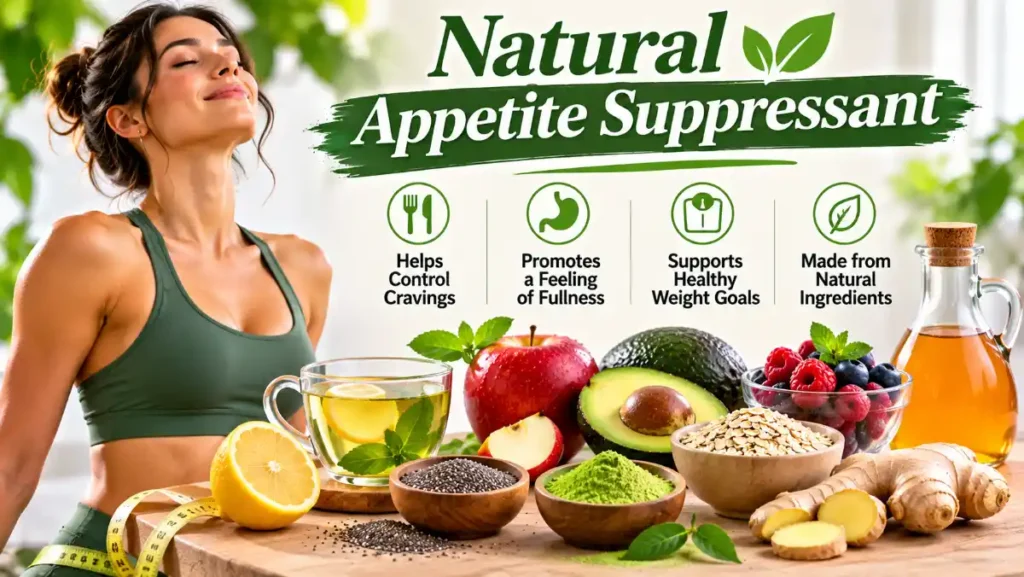
A natural appetite reducer is a food product made from natural ingredients, a substance found in nature, or a way of eating that has the potential to regulate your appetite and make you feel full. Some studies have shown that high-protein foods and specific forms of dietary fiber are able to increase the feeling of being satisfied for a brief period of time, whereas good quality fats will provide balance to your meal, so it feels satisfying. However, many of the nutritional supplements being sold as natural appetite reducers do not appear to have been proven effective.
Hunger is how your body tells you that you are running low on fuel and require nourishment. Natural appetite management involves knowing and reacting to your body’s signals of being hungry and full, as opposed to intentionally not eating.
| Feature | Description |
| Primary purpose | Appetite regulation and satiety |
| Common sources | Foods, beverages, dietary habits, and supplements |
| Main mechanisms | Digestion, stomach expansion, and hormonal signaling |
| Potential benefit | Improved fullness after meals |
| Weight management effectiveness | Varies according to individual needs and broader health factors |
| Supplement regulation | No FDA premarket approval for safety and effectiveness |
| Main safety concerns | Side effects, medication interactions, and inadequate nutrition |
What Is a Natural Appetite Suppressant and How Does It Work?
Appetite control relies on interactions among the brain, the digestive tract, and hormones. As you consume food, the expansion of your stomach (gastric distension) contributes to the signals that inform the brain that you are reaching satiety.
Several hormones also play important roles:
- Ghrelin: Helps signal hunger.
- GLP-1: Regulates blood sugar and participates in appetite control.
- Peptide YY (PYY): Contributes to feelings of fullness after eating.
- Cholecystokinin (CCK): Aids digestion and helps signal fullness during meals.
Hunger is defined as the physical need to consume food; on the other hand, appetite can be defined as the desire to obtain food. Cravings are defined as intense desires for specific types of food. Satiation is defined as the physiological process(es) that cause a meal to terminate, while satiety is defined as the state of being full that persists following completion of a meal.
In addition to helping the body regulate how much food it consumes, these processes also allow the body to satisfy its dietary requirements.
Best Natural Appetite Suppressant Foods
Meals that contain high levels of protein, fiber, good fat, and water will provide a greater sense of fullness than meals that do not. The level of fullness experienced after consuming a meal depends on the mixture of nutrients consumed, an individual’s daily energy requirements, and the individual’s eating pattern.
| Food | Key nutrients | Nutritional role |
| Eggs | Protein | Provides essential amino acids and supports fullness |
| Oatmeal | Fiber and beta-glucan | Contains viscous fiber associated with satiety |
| Greek yogurt | Protein and calcium | Provides protein for a satisfying meal or snack |
| Lentils | Protein and fiber | Combines plant-based protein with dietary fiber |
| Beans and chickpeas | Protein, fiber, and complex carbohydrates | Supplies energy and fiber |
| Apples and pears | Fiber and water | Adds volume and fiber to meals or snacks |
| Almonds and walnuts | Unsaturated fats, protein, and fiber | Provides energy and essential nutrients |
| Avocados | Unsaturated fats and fiber | Adds healthy fats and fiber to meals |
| Chia seeds | Fiber and omega-3 fats | Contains gel-forming fiber |
| Vegetables | Fiber and water | Provides volume, vitamins, and minerals |
| Fish | Protein | Supports fullness and muscle maintenance |
| Whole grains | Fiber and carbohydrates | Supplies energy, fiber, and micronutrients |
Protein-Rich Foods
The purpose of protein is to support the maintenance of muscle tissue, as well as being a factor in regulating the hormones which are responsible for both hunger and satiety. There was a systematic review conducted of all randomized controlled studies on the subject of protein intake. This review concluded that while there was clear evidence supporting the fact that protein consumption has an immediate effect on increasing feelings of satiety, the long-term effects of protein consumption on regulating appetite were less clear.
There are many sources of protein in our diets, including eggs, poultry, fish, Greek yogurt, cottage cheese, tofu, and tempeh.
Dietary Fiber and Healthy Fats
Fiber in our diet does not react the same way as other types of fiber during the digestive process. Soluble fiber can dissolve in water, insoluble fiber will help regulate bowel movements, viscous fiber will create a gel-like consistency, and fermentable fiber is processed by microorganisms found in the gut. The types of fiber listed above have many common characteristics, but when researching how fiber affects our feelings of being full after eating, it has been found that there are significant differences.
Healthy fats are a good source of energy, supply essential fatty acids, and assist in the absorption of fat-soluble vitamins.
Examples of well-balanced meals that combine all three of those types of nutrients include: oatmeal topped with Greek yogurt, fruit,t and nuts; and fish served with vegetables and whole-grain side dishes.
Natural Appetite Suppressant Drinks
Water and unsweetened herbal teas can help keep you hydrated; however, neither is considered a viable long-term solution to suppress your appetite. While both coffee and green tea contain caffeine that may temporarily reduce your appetite, studies on the effects of caffeine on reducing appetite have yielded mixed results.
Milk, fortified soy milk, balanced smoothies, and vegetable-based soups provide fluid and nutrient content. The nutrient content depends upon the ingredients used to make each of these items.
Ordinary beverages are very different from concentrated extracts and weight loss products. You shouldn’t use liquids instead of food to give your body the nutrients it needs.
Natural Appetite Suppressant Herbs and Supplements
There is a great deal of advertising about “natural” hunger suppressants that can be used as dietary supplements. However, many of these claims are exaggerated beyond the evidence from human studies. A review by the National Institutes of Health regarding dietary supplements used for weight loss showed that there were significant variations in how well they worked, the quality of the studies done on them, and their overall safety.
Dietary Supplements for Weight Loss
| Supplement | Proposed action | Clinical evidence | Potential risks |
| Glucomannan | Gel-forming fiber | Uncertain appetite benefits; little overall weight-loss benefit | Digestive discomfort and obstruction with certain formulations |
| Fenugreek | Fiber-related fullness | Limited appetite-specific research | Digestive problems, allergies, and low blood sugar |
| Green tea extract | Effects on energy metabolism | Direct appetite benefits remain uncertain | Possible liver injury |
| Garcinia cambogia | Proposed effects on appetite signaling | Little convincing evidence of meaningful appetite or weight-loss benefits | Digestive symptoms and reported liver injury |
| Hoodia | Proposed effects on hunger signaling | Human research does not establish reliable appetite suppression | Increased heart rate and blood pressure |
| Green coffee bean extract | Proposed effects on glucose metabolism | Insufficient appetite-specific evidence and weak weight-loss research | Caffeine-related side effects |
| Guar gum | Increased digestive viscosity | Uncertain appetite benefits; no convincing weight-loss effectiveness | Bloating and gastrointestinal discomfort |
| Caffeine supplements | Nervous system stimulation | Short-term appetite effects are inconsistent | Anxiety, insomnia, and heart palpitations |
A natural origin does not mean that something is safe. Supplements and concentrated extracts can cause the human body to react differently than it would with normal food and drink, so there is always a potential for increased risk of adverse reactions.
Do Natural Appetite Suppressants Actually Work?
Evidence of food-based appetite control is far more positive than evidence of commercial supplement use. Research into protein intake has demonstrated stronger evidence of improved short-term fullness than longer-term appetite control. The impact of dietary fiber depends upon several factors, including the type of fiber (i.e., soluble vs insoluble), how much of each type is present in a particular food, and how individuals respond to consuming dietary fiber.
The four separate outcomes listed above (feeling fuller after a meal; change in hunger hormone levels; reduced food intake during a second meal; long-term weight loss) are all individual effects of the intervention. Just because there is evidence that one occurs doesn’t mean the others will also occur.
For many of the available herbal appetite suppressant products, there is little to no scientific evidence showing that they provide long-term weight loss or control.
Natural Appetite Suppressants vs. Prescription Medications
The body’s normal physiological function is supported by natural food products, while prescribed weight-management drugs focus on particular biological functions.
In the United States, prescribed medications that have been approved by the Food and Drug Administration (FDA) undergo both clinical trials and a formal regulatory process. Conversely, under the FDA’s regulation of dietary supplements, supplements do not need to be evaluated for their safety or efficacy prior to being sold.
FDA
You should never use natural supplements in place of prescription drugs, because they do not have the same medical properties as prescription drugs.
For information about the potential effects and risks of a specific prescription weight-management medicine, see phentermine side effects.
How to Manage Appetite Naturally
A good relationship with hunger/fullness starts with daily practices to ensure you are meeting the nutritional and energetic demands of your body:
- Eat regular, well-balanced meals.
- Include adequate protein, fiber, carbohydrates, and healthy fats.
- Drink enough fluids to stay hydrated.
- Maintain a consistent sleep schedule.
- Find healthy ways to manage stress.
- Eat mindfully and pay attention to hunger and fullness cues.
- Stay physically active for overall health.
The way you eat can promote healthy appetite control through natural methods, rather than using medication, restricting what you consume, or ignoring your body’s signals of hunger.
Are Natural Appetite Suppressants Safe?
The safety of appetite suppressants is based upon what is in them, how they are made, why you are taking them, and your overall health. Supplements containing high amounts of active ingredients can cause side effects such as nausea/vomiting/diarrhea/gas/bloating; allergic reactions; sleep problems; anxiety; medication interactions; liver issues.
Federal government safety guidelines for fenugreek state that taking fenugreek at levels higher than what would be consumed as part of a typical diet while pregnant is unsafe. Children, teens, women who breastfeed, and people with eating disorders should not use weight loss supplements without being directed to do so by a licensed health care provider.
NCCIH
Before using any of the products mentioned above, individuals who have diabetes or a history of cardiovascular disease, and/or who are currently on prescription medication, should consult their physician.
How to Evaluate Natural Appetite Suppressant Products
Look for a full list of ingredients with clear amounts of each ingredient, a reputable company that makes the product, third-party testing for quality assurance, and scientific research that supports how this particular combination of ingredients works.
Be careful of dietary supplement products that contain hidden stimulants, make false FDA approval claims, and promise weight loss. While independent testing may demonstrate product quality, it does not provide evidence of product effectiveness, nor does it assure that the product is safe for all consumers.
When to Consult a Healthcare Professional
Unexplained persistent hunger after eating enough could require a medical assessment, particularly if you have also experienced unexplained weight gain or loss, increased fluid intake, or the need to urinate more often than usual.
Seeking the help of a professional may also be helpful if you notice a change in your appetite since beginning to take medication, if you are experiencing distress related to eating, if you have trouble meeting your body’s nutritional requirements, or if you believe a supplement you are taking is producing unwanted effects.
For related food and nutrition information, explore high-protein snacks, protein powder, and fiber gummies.
Frequently Asked Questions
What is the best natural appetite suppressant?
There is no single food or supplement that works best for everyone. Balanced meals containing adequate protein, fiber, healthy fats, and carbohydrates offer a better-supported approach to normal fullness than most commercially marketed appetite suppressants.
Which foods naturally support fullness?
Eggs, Greek yogurt, oatmeal, lentils, beans, and whole grains contain protein or dietary fiber that can help you feel satisfied after eating. The effects vary depending on the food and your individual nutritional needs.
Do natural appetite suppressant supplements actually work?
Some ingredients may temporarily affect appetite, but evidence supporting consistent, long-term benefits remains limited. A supplement that influences short-term hunger does not necessarily produce sustained weight loss.
Are natural appetite suppressants safe?
Nutritious foods are generally safe when they suit your individual dietary needs. Concentrated supplements require more caution because they may cause side effects, interact with medications, or worsen certain health conditions.
How can I manage my appetite naturally without pills?
Focus on eating enough nutritious food, maintaining regular meals, staying hydrated, getting sufficient sleep, and responding to hunger cues. If you regularly experience excessive hunger despite eating adequately, consider discussing it with a healthcare professional.