
Oil of Oregano: Benefits, Uses, Side Effects, and Safety
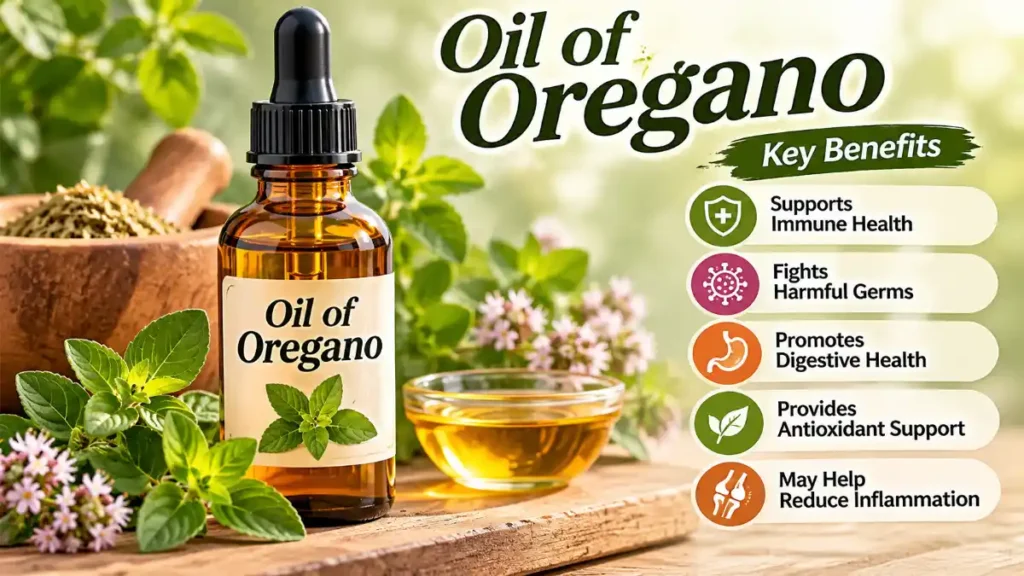
The oil of oregano is a concentrated product produced by the oregano plant (typically Origanum vulgare). The product contains different levels of carvacrol and thymol, which are naturally found in the oregano plant and exhibit antibacterial, antifungal, and antioxidant properties in in vitro laboratory experiments. Although many companies market the oil of oregano as an aid for digestion, immune system functioning, and antimicrobial purposes, there are very few human clinical studies that support these claims.
The product lines derived from oregano are sold in several different forms, including capsules, liquid drops, and concentrated essential oils. Each line may vary greatly in its ingredients, concentration of active components, and intended use. While some of the products made from oregano are formulated to be consumed orally, it is important to remember that the highly concentrated oregano essential oil should never be taken orally as a form of home treatment.
What Is Oil of Oregano?
The chemical makeup of oil of oregano depends upon the variety of the plant used to extract the chemicals from the leaves and/or other portions of the plant. The chemical makeup will also vary based upon the environment in which the plant grows, how the oil is extracted from the plant material, and the manner in which it was produced.
Oregano oil’s primary antimicrobial and antioxidant components in laboratory studies have included carvacrol and thymol. The NIH’s scientific overview of oregano discusses these compounds and the limitations of existing human research.
NCBI
Oil of Oregano vs. Oregano Essential Oil
Sometimes, manufacturers will use the same words (or similar ones) to describe products that may vary significantly in their levels of concentration and what they are meant to do.
| Product Form | Concentration | Intended Use | Main Compounds | Safety and Evidence Limitations |
| Oregano essential oil | Highly concentrated | Aromatic or external use | Carvacrol, thymol, and other volatile compounds | Not suitable for homemade oral remedies |
| Oil of oregano drops | Variable, often diluted | Depends on formulation | Oregano compounds and carrier oil | Check whether the product is intended for oral use |
| Oregano capsules | Variable | Dietary supplementation | Oregano oil or extract | Limited clinical evidence |
| Oregano extract | Depends on extraction method | Depends on formulation | Various botanical compounds | Not necessarily equivalent to essential oil |
| Fresh or dried oregano | Lower exposure per typical serving | Cooking | Naturally occurring plant compounds | Food-use safety does not establish medicinal benefits |
Always read the list of ingredients and the intended usage of a product off of its label before making a decision based solely upon the product’s name.
Potential Health Benefits of Oil of Oregano
There are multiple biological properties that researchers have found for oregano oil. Most research was conducted using animals or in laboratories, which makes it hard to say if supplements containing oregano offer real health benefits to people.
| Potential Benefit | Research Type | Scientific Findings | Clinical Effectiveness |
| Antibacterial activity | Laboratory | Inhibits certain bacteria | Not established |
| Antifungal activity | Laboratory | Shows activity against selected fungi | Not established |
| Antioxidant activity | Experimental | Demonstrates antioxidant properties | Uncertain |
| Anti-inflammatory effects | Laboratory and animal | May influence inflammatory processes | Insufficient evidence |
| Gut health | Preliminary human research | Limited findings involving intestinal organisms and herbal combinations | Not established |
| Respiratory health | Experimental and traditional use | Potential antimicrobial activity | Insufficient evidence |
| Immune support | Preliminary research | Possible biological effects | Infection prevention unproven |
Antibacterial and Antifungal Properties
Carvacrol and thymol can break down the cell membranes of some types of bacteria and fungi in lab settings. Although there are concentrations of carvacrol and thymol that will stop these microbes from growing, these same concentrations cannot be achieved safely or effectively within the human body.
Oil of Oregano is unproven as a therapeutic agent for treating bacterial infections, vaginal yeast infections, and/or other systemic fungal infections. Therefore, Oil of Oregano is not an alternative to being treated with prescribed antibiotic and/or antifungal drugs.
Oil of Oregano for Gut Health
The primary reasons why people choose to take oregano supplements are because they have experienced some form of bloating, digestive issues such as indigestion or diarrhea, intestinal parasite infections, a yeast infection called Candida, and SIBO (Small Intestine Bacterial Overgrowth).
Small human studies published in 2000 using 14 adults showed some early positive results toward reducing symptoms caused by certain types of intestinal parasites. Another 2014 retrospective study looked at different combinations of herbs (including those with oregano oil) as treatment options for SIBO.
Neither study establishes oregano oil as an effective treatment option for the above-mentioned conditions. Studies that use multiple herbs cannot identify the amount of the overall effect that can be attributed directly to the use of oregano alone. In addition, there is no evidence that oregano oil will enhance the gut microbiome or selectively destroy harmful bacteria and protect the beneficial bacteria.
Colds, Respiratory Health, and Immune Support
Traditionally, Oregano was used to treat congestion, coughs, and other types of respiratory issues. Laboratory research was performed to examine Oregano’s ability to act as an antimicrobial agent; however, no evidence exists in human clinical trials that indicates taking oil of oregano will help prevent or alleviate cold symptoms, flu symptoms, or other respiratory tract infection symptoms.
Inhaling concentrated essential oil vapors may also irritate sensitive airways.
How to Use Oil of Oregano
Oil of Oregano can be used based on the type of formulation being purchased, as well as whether the oil is going to be applied orally (in the mouth) or externally (on the skin).
Capsules: Dietary supplements manufactured specifically for oral consumption.
Often contain oregano oil in combination with a carrier oil. Select only products that are clearly labeled for use orally.
Topical products – products designed to be applied to the skin (externally) may also cause skin irritation or an allergic reaction.
Concentrated oregano oil should not be applied to open wounds (broken skin), areas that are sensitive, or mucous membranes.
Dosage and Supplement Label Evaluation
Oil of oregano does not have a generally accepted and scientifically based dosage to treat common health problems.
The total weight of a dietary supplement includes both the active ingredient (oregano oil) and any other inactive components (carrier oils). The measurement of the amount of oregano oil present in the product is independent of the carvacrol content in the oregano oil. Therefore, it is impossible to evaluate products using only the weight in milligrams or the number of drops.
When choosing a supplement, check the label and manufacturer information for:
- Botanical name and extraction method.
- Oregano oil concentration and serving size.
- Carvacrol content, if specified.
- Carrier oils, additional ingredients, and potential allergens.
- Independent quality testing and transparent manufacturing information.
A greater carvacrol percentage does not always mean a product is better for you or works better. Independent testing can tell us if a product has good quality ingredients; however, independent testing cannot prove that the product will deliver the advertised health benefits.
In the United States, dietary supplements are regulated as food products and usually do not need to be approved by the FDA as safe or effective prior to sale to consumers.
FDA
Oil of Oregano Side Effects and Risks
Even though oregano is a common kitchen spice, if it is prepared in concentrated form and either consumed in large quantities or applied improperly, there may be adverse reactions to its use.
Potential side effects include:
- Nausea, vomiting, or stomach discomfort.
- Heartburn or diarrhea.
- Skin irritation, redness, or burning.
- Mouth and throat irritation.
- Allergic reactions.
An allergy to oregano or other members of the mint family can increase your risk of experiencing an allergic reaction.
There is some concern about oregano supplement interactions with medications used for blood clotting and/or blood sugar management; however, there are no current human studies showing this interaction directly. If you take any type of prescription medication (anticoagulants, diabetic medications, etc.), please consult your health care provider prior to using an oregano supplement.
Pregnancy and Breastfeeding
Pregnant women should avoid large amounts of oregano as a form of medicine. Also, there isn’t enough evidence to show if it is safe for nursing mothers to use dietary supplements containing oregano. If you are a mother who nurses your baby, you will want to talk to your doctor or other health care provider before you take any dietary supplement that contains concentrated forms of oregano.
The small amount of oregano that is commonly added to foods as part of the cooking process differs significantly from concentrated forms of oregano available as dietary supplements and/or essential oils.
Essential Oil Safety and Poisoning
Concentrated oregano essential oil may cause irritation and harm if ingested. When mixed with a carrier oil, the concentration will decrease; however, this does not necessarily mean that the product is then safe to ingest.
Ensure children do not have access to essential oils. If an essential oil is accidentally ingested, contact Poison Control at 1-800-222-1222 in the U.S. for assistance with potential exposure. If the individual has trouble breathing, falls unconscious, experiences seizures, or displays other serious symptoms, call 911.
Is Oil of Oregano Worth Taking?
There is no strong clinical proof that suggests you should regularly take oregano oil supplements as a means of preventing infection, improving digestion, or supporting your immune system.
Adding oregano to food is an easy method to take advantage of its health properties without having to use dietary supplements. Before using oil of oregano to treat any health conditions, please consult with your doctor or healthcare professional about how much benefit you might receive from doing so versus how many risks there are compared to receiving medically-based treatments.
For more information about how antimicrobial products differ from one another, you can also read about antibacterial body wash.
Frequently Asked Questions
What Is Oil of Oregano Used For?
Oil of oregano is commonly used as a dietary supplement for digestive health, immune support, and its potential antimicrobial properties. However, these popular uses are not backed by sufficient clinical evidence to recommend it as a medical treatment.
Does Oil of Oregano Really Work as a Natural Antibiotic?
Carvacrol and thymol can inhibit certain bacteria in laboratory studies. However, researchers have not demonstrated that oregano oil can reliably treat bacterial infections in humans or replace prescription antibiotics.
Can You Take Oil of Oregano Every Day?
The safety of taking oregano oil every day over an extended period is not well understood. There is no established daily medicinal dose or recommended treatment duration. Consult a healthcare professional before considering regular supplementation.
What Are the Side Effects of Oil of Oregano?
Possible side effects include nausea, heartburn, diarrhea, stomach discomfort, skin irritation, and allergic reactions. Highly concentrated preparations may also cause burning or irritation in the mouth and throat.
Is Oil of Oregano Safe to Swallow?
Only supplements specifically formulated for oral use should be considered, and even these may not be suitable for everyone. Seek medical advice before taking them, especially if you have an underlying health condition or take prescription medication. Never swallow concentrated oregano essential oil as a home remedy.