
Protein Powder: Types, Benefits, How to Use It, and How to Choose
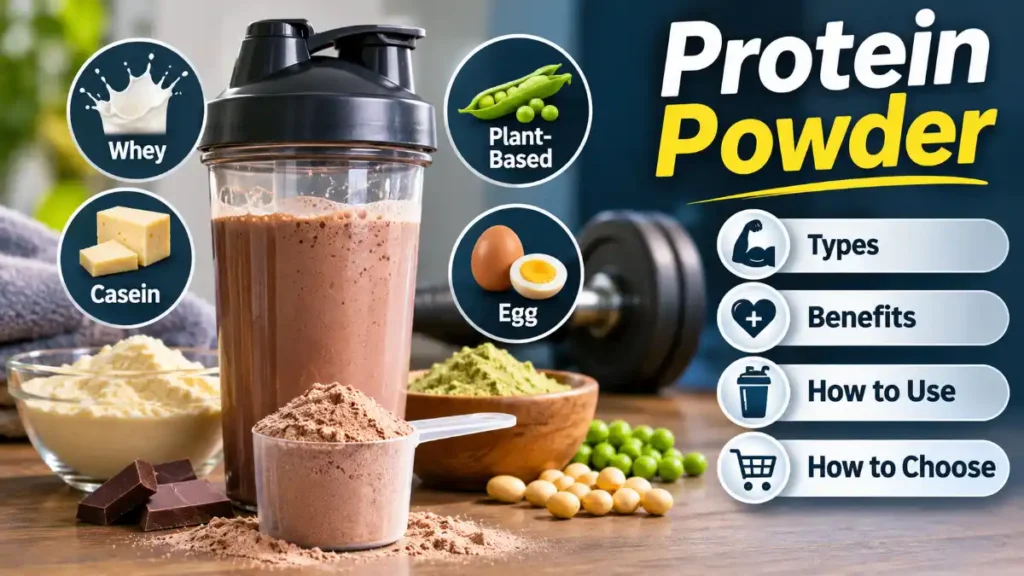
Protein powder is a concentrated source of dietary protein made from milk, eggs, or plant ingredients such as soy, peas, and rice. It’s a convenient way to meet your daily protein needs when it’s hard to get enough through regular meals. Whey, casein, and plant-based powders have different nutritional profiles, so the best choice depends on your fitness goals, dietary preferences, digestive tolerance, and budget.
Protein powder can support muscle growth, exercise recovery, and weight management by helping you get enough protein. However, you don’t need a supplement if your diet already provides sufficient protein, and drinking shakes alone won’t build muscle or burn fat. Most protein powders also aren’t nutritionally complete meal replacements.
Types of Protein Powder Compared
Protein powders vary in their amino acid profiles, digestion rates, processing methods, and dietary suitability. Complete proteins provide all nine essential amino acids in adequate proportions, while other sources may need to be combined to provide a balanced amino acid profile.
| Type | Protein quality | Main advantages | Limitations and best uses |
| Whey concentrate | Complete | Versatile and often affordable | Contains lactose; suitable for general fitness |
| Whey isolate | Complete | High protein concentration and generally less lactose | Often more expensive; useful for people seeking lower-lactose options |
| Hydrolyzed whey | Complete | Partially broken down into smaller peptides, which may affect digestion and absorption speed | Usually expensive; not proven universally superior |
| Casein | Complete | Digests relatively slowly | Useful when meals are spaced farther apart; contains dairy |
| Soy protein | Complete | Vegan and dairy-free | Unsuitable for people with soy allergies |
| Pea protein | Contains essential amino acids but is relatively low in methionine | Vegan and dairy-free | Suitable for plant-based diets |
| Rice protein | Relatively low in lysine | Vegan and suitable for dairy-free diets | Often combined with other plant proteins |
| Egg white protein | Complete | High-quality protein without dairy | Unsuitable for people with egg allergies |
| Plant protein blends | Depends on formulation | Can combine complementary amino acid profiles | Nutritional quality varies; suitable for vegan diets |
Whey isolate generally contains less lactose than whey concentrate, but that doesn’t mean it’s completely lactose-free. Neither option is suitable for someone with a milk protein allergy.
Plant proteins aren’t necessarily less effective than animal proteins. Soy contains all nine essential amino acids, and properly formulated plant blends can also provide the amino acids needed to support daily protein requirements.
Protein Powder Benefits
The main advantage of protein powder is convenience. It provides an easy way to increase protein intake, particularly when preparing protein-rich meals isn’t practical.
Muscle growth and recovery: Protein provides the amino acids your muscles need for repair and growth. As explained in the NIH guidance on protein and exercise performance, adequate protein intake helps support muscle maintenance, repair, and recovery after exercise. Resistance training remains essential for building muscle.
Convenient nutrition: Protein shakes are useful for athletes, older adults, vegetarians, and busy people who struggle to prepare meals containing enough protein. They’re also easy to carry and consume when you’re short on time.
Weight management: Protein can help you feel fuller and preserve lean muscle during calorie restriction. However, protein powder doesn’t directly burn body fat. Losing weight still depends largely on maintaining an appropriate calorie balance.
Meeting dietary needs: Supplements can help fill gaps in protein intake, especially when appetite, food preferences, or a demanding schedule make regular meals less practical. They’re not necessary when you’re already eating enough protein.
Whole foods such as eggs, Greek yogurt, chicken, fish, tofu, beans, and milk are also excellent protein sources. Many provide additional vitamins, minerals, or fiber that a typical protein powder may lack.
How Much Protein Powder Should You Take?
How much protein powder you need depends on your body weight, activity level, diet, and overall health. The important number is your total daily protein intake, not the number of scoops you consume.
For generally healthy adults, the recommended dietary allowance (RDA) is 0.8 grams of protein per kilogram of body weight per day. People who exercise regularly, particularly those focused on building or maintaining muscle, may need more.
According to the International Society of Sports Nutrition’s position statement on protein and exercise, approximately 1.4–2.0 g/kg/day is sufficient for most healthy exercising individuals.
For example, someone weighing 150 pounds (approximately 68 kg) would have the following protein requirements:
- General adult RDA: Approximately 54 grams daily.
- Exercising adult range: Approximately 95–136 grams daily.
Suppose that person chooses a target of 110 grams per day but gets only 85 grams from food. The remaining 25 grams could come from a protein shake or another protein-rich food.
Many protein powders provide around 20–30 grams of protein per serving, although amounts vary. Remember that a 30-gram scoop of powder doesn’t necessarily contain 30 grams of actual protein.
Protein requirements can also differ during pregnancy, older age, or when managing certain medical conditions.
How to Use Protein Powder
Protein powder fits easily into everyday meals. Mix it with water or milk for a quick shake, blend it into a smoothie, or stir a suitable powder into oatmeal or Greek yogurt.
For a basic shake, follow the serving instructions on the package and mix the powder with your preferred liquid. If you’re watching your calorie intake, remember that milk, nut butter, fruit, and other additions contribute extra calories.
You can drink a protein shake after exercising, between meals, or whenever it fits your routine. Although post-workout protein can support recovery, research on protein intake and exercise timing doesn’t establish a strict 30-minute deadline for everyone. Getting sufficient protein throughout the day is generally more important.
Protein Powder Side Effects and Safety
Most healthy adults tolerate protein powder well when using it appropriately. Still, some people experience bloating, gas, nausea, or diarrhea, particularly when consuming large servings or ingredients that don’t agree with their digestion.
Dairy-based powders can cause discomfort for people with lactose intolerance. A milk protein allergy is different: someone with this allergy must avoid milk-derived proteins even when the powder contains very little lactose.
Certain sweeteners, sugar alcohols, and other additives may also contribute to digestive symptoms. Checking the ingredient list can help you identify potential triggers.
People with kidney disease or other conditions requiring controlled protein intake should speak with a healthcare professional before taking supplements. Higher protein intake isn’t automatically harmful for healthy adults, but consuming more than you need doesn’t guarantee additional benefits.
Protein powders sold as dietary supplements are not individually approved for safety and effectiveness before marketing. The FDA’s dietary supplement guidance explains that manufacturers are responsible for meeting applicable safety and labeling requirements. Because product quality can vary, clear labeling and credible independent testing are important considerations.
How to Choose the Best Protein Powder
There’s no single protein powder that’s right for everyone. A good choice should provide enough protein for your needs, fit your dietary restrictions, and offer reasonable value without unnecessary ingredients or exaggerated promises.
Choose Based on Your Goals and Diet
- Muscle building: Whey, casein, soy, and properly formulated plant proteins can help support muscle growth when combined with resistance training and sufficient daily protein.
- Post-workout recovery: Whey is convenient and provides essential amino acids, but other high-quality protein sources can also support recovery.
- Weight management: Choose a powder that provides enough protein without adding more calories than you need. Compare calories relative to protein content rather than simply buying the lowest-calorie option.
- Vegan diets: Soy, pea protein, and well-formulated plant blends are practical dairy-free choices.
- Lactose sensitivity: Whey isolate may be easier to tolerate than concentrate, while egg white and plant proteins avoid dairy altogether.
- Budget-conscious purchasing: Compare the actual amount of protein you receive for the price, not just the size of the container.
Casein may also suit people who want a slower-digesting protein, particularly when they expect a long gap between meals.
Check Ingredients, Testing, and Value
Start with the Supplement Facts or Nutrition Facts label. Check how much protein each serving provides, along with calories, carbohydrates, added sugars, and any declared allergens.
Next, look through the ingredients for sweeteners, flavorings, thickeners, or digestive enzymes. These aren’t necessarily harmful, but some may cause discomfort or simply be unnecessary for your needs. A larger scoop doesn’t automatically mean more protein.
Independent certification can provide additional reassurance about product quality. Programs such as NSF Certified for Sport and Informed Sport include screening for substances prohibited in sports. However, certification applies to specific products and doesn’t guarantee better nutritional results. Check the current certification status of the exact product you’re considering.
To compare prices fairly, calculate the cost per 25 grams of protein:
Cost per 25 g = Container price ÷ Total grams of protein × 25
For example, suppose a container costs $40 and provides 720 grams of protein in total. Its cost works out to approximately $1.39 per 25 grams of protein.
This hypothetical calculation makes it easier to compare products with different serving sizes and protein concentrations.
Ultimately, a higher price doesn’t guarantee better results. Protein quality, ingredient suitability, independent testing, and cost per gram of protein are more meaningful than premium packaging or marketing claims.
Read also: Protein Powder
Frequently Asked Questions
Can you take protein powder without working out?
Yes. Your body needs protein for normal tissue maintenance, repair, and other essential functions whether you exercise or not. Protein powder can help you meet those needs, but there’s no reason to add it routinely if you’re already getting enough protein from food.
Can protein powder replace a meal?
Most protein powders aren’t intended to replace complete meals. They primarily provide protein and may lack the fiber, healthy fats, vitamins, minerals, and other nutrients found in a balanced meal. They’re generally better used alongside regular food unless the product is specifically formulated as a nutritionally complete meal replacement.




4 thoughts on “Protein Powder: Types, Benefits, How to Use It, and How to Choose”