Beets: Health Benefits, Nutrition Facts, Side Effects, and How to Eat Them
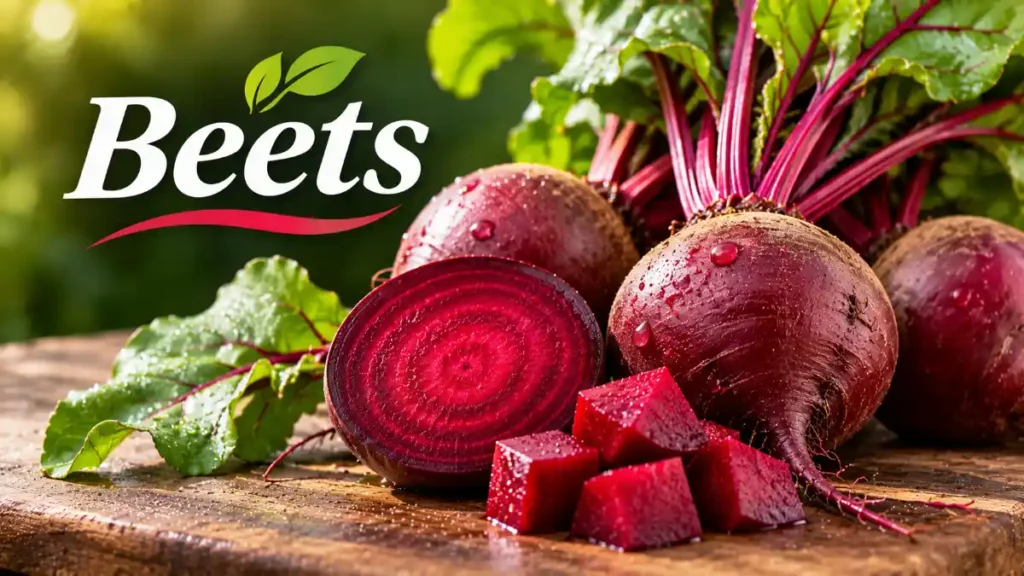
Beets are a good source of nutrition because they are a root vegetable and contain a lot of dietary fiber, folic acid, potassium, and antioxidants. Beet roots also contain some naturally occurring nitrates, which can assist in reducing blood pressure, improving blood flow, and providing support for endurance when engaging in some types of physical activity.
The earthy taste of these vegetables,s with their naturally sweet flavor, would be an excellent ingredient for salads, soups, smoothies, and roasted dishes. The roots and the leaves can be eaten, but they provide different health advantages.
People with kidney stone risk, low blood pressure,e or sensitive stomachs may have to limit the amount of beetroot they consume.
What Are Beets?
Beetroot (Beta vulgaris) is a root vegetable in the Amaranthaceae family. The characteristic red/purple color of beetroot results from the presence of betalains, which are naturally occurring plant pigments that also function as antioxidants.
Common Varieties
Red beetroots: This is probably what people think of first when they hear the term “beetroot.” It has a bright red-purple skin and a sweet, earthy taste.
Golden beetroot: Has yellow-orange flesh and a slightly milder taste.
The Chioggia Beetroot can be easily identified because it has a unique pattern of pink and white rings on its exterior.
White beetroot: A pale variety with a relatively mild flavor.
Beetroot vs. Beet Greens
The roots of this plant contain a good source of carbohydrates, fiber, folate, and potassium. In contrast to the roots, the leaves of this plant have fewer carbohydrates and are very rich in vitamins A and K. They also provide some vitamin C.
Rather than discarding the leaves, consider cooking them with garlic and olive oil or incorporating them into your favorite soup or stew recipes.
Beets Nutrition Facts
The calorie content of beet root is naturally low, as is its fat content; however, beet root is rich in many of the vitamins and minerals that our body needs to function properly. Based on the USDA Standard Reference Nutrition Data, a 100-gram serving of raw beet root has approximately:
| Nutrient | Amount per 100 g |
| Calories | 43 kcal |
| Carbohydrates | 9.56 g |
| Protein | 1.61 g |
| Dietary fiber | 2.8 g |
| Natural sugars | 6.76 g |
| Total fat | 0.17 g |
| Potassium | 325 mg |
| Folate (Vitamin B9) | 109 mcg |
| Magnesium | 23 mg |
| Manganese | 0.33 mg |
| Vitamin C | 4.9 mg |
There are two other types of chemicals that I would like to mention. They are called dietary nitrates and betalains. The dietary nitrates help make nitric oxide, which controls how the blood vessels work. Betalains are known for being antioxidants.
The level of each compound is affected by several factors such as the type of plant, how it was grown, and how it was processed.
7 Health Benefits of Beets
May Help Lower Blood Pressure
Your body converts nitrates found in food into nitric oxide. Nitric oxide assists with relaxing blood vessel walls. Relaxed blood vessel walls can enhance circulation and help reduce high blood pressure.
A 2024 systematic review and meta-analysis included 11 clinical trials involving 349 adult participants with high blood pressure (hypertension). The researchers found that consuming beetroot juice resulted in an average reduction in clinical systolic blood pressure of about 5.3 mm Hg when compared to a placebo.
However, the strength of the evidence is considered “weak,” and there is no statistical significance between groups regarding changes in diastolic blood pressure and 24-hour blood pressure. The effects of consuming typical amounts of the whole vegetable could be different.
Beetroot juice should never replace prescribed blood pressure medication.
Supports Cardiovascular Health
Potassium is essential for the proper regulation of blood pressure, fluid balance,e and the maintenance of normal muscle function. Folate has been linked to normal cardiovascular health.
The inclusion of beetroots with other fruits, whole grains, legumes, and various other vegetables provides an easy means of support for a heart-healthy diet.
Promotes Healthy Digestion
The fiber found within beetroots provides bulk to stools, promotes consistent bowel patterns, and provides nutrients for the growth of healthy gut bacteria.
Drinking strained juice can be a less effective way to increase your daily fiber intake compared to eating the entire vegetable.
May Improve Athletic Performance
Dietary nitrates may help muscles use oxygen more efficiently during exercise.
According to the National Institutes of Health, drinking juice made with beets that contain high amounts of nitrate can help recreational athletes perform better during their workouts.
The results vary depending on an individual’s physical condition (fitness level), type of workout being performed (exercise type), and the amount of nitrates consumed. Eating a single portion of the vegetable on a daily basis will most likely produce different results than using the highly concentrated forms of the product used in research.
Provides Antioxidants and May Reduce Inflammation
The antioxidant and anti-inflammatory properties of betalains have been demonstrated through laboratory studies.
These results show promise; however, they do not prove that consuming beets daily can prevent long-term inflammatory conditions. There is a need for more well-designed human trials to determine if there is a possible benefit.
Supports Healthy Weight Management
Raw beet root contains approximately 43 calories per 100g, providing you with water, fiber, and essential nutrients, but containing very few calories.
Because of its high fiber content, this food can make you feel full and, therefore,e can be a great way to incorporate more into your meals if you are trying to lose weight. But just consuming this food alone will not result in fat burning or weight loss.
Supports Normal Cellular Function
Folate is a necessary B-vitamin for the creation of DNA and for the formation of red blood cells. It also allows for regular cell division to occur.
Folate is particularly important during pregnancy. While it is good to eat foods high in folate, eating these types of foods cannot substitute for taking the recommended amount of folic acid in a prenatal vitamin.
Beet Juice Benefits: Is It Better Than Whole Beetroot?
Beet juice provides an easy way to get dietary nitrates. Studies on the use of beet juice have focused on how it may affect blood pressure and exercise performance.
The most significant disadvantage of juicing is that it often has less dietary fiber than the entire vegetable. Additionally, consuming too much juiced product can lead to an increased intake of simple carbohydrates.
Beetroot powder can also be an alternative; however, there are variations in the amount of nutrients and nitrates present within each brand.
The entire vegetable is usually the best option for daily nutritional needs, especially when fiber intake is a main concern. However, juicing may be beneficial for achieving certain dietary or athletic objectives.
Raw, Cooked, and Pickled Beets: Which Is Healthier?
Preparing this vegetable in different ways will affect the amount of nutrients it contains, how much flavor it has, and whether or not it is appropriate to be part of your diet.
| Form | Main advantages | Considerations |
| Raw | Provides fiber and heat-sensitive nutrients | Firm texture |
| Boiled | Soft and easy to prepare | Some nutrients may leach into the water |
| Steamed | Less direct contact with cooking water | Some heat-related nutrient loss |
| Roasted | Naturally sweet flavor and dietary fiber | Added oil increases calories |
| Pickled | Convenient and flavorful | May contain added sugar and sodium |
| Canned | Affordable and ready to eat | Sodium content varies |
| Juice | Convenient source of nitrates | Contains less fiber when strained |
| Powder | Easy to store and use | Nutrient concentrations vary |
There isn’t a single way to prepare foods that is the most appropriate for everyone. The best option for you depends upon what you need nutritionally, what you prefer personally,y and how well your body can tolerate digesting certain types of prepared foods.
How Many Beets Should You Eat a Day?
The daily intake of beets has not yet been determined. However, most healthy adults can consume about one-half of a cup of cooked beets per day.
Generally speaking, eating it on a daily basis is fine, provided that you have no issues with it. However, variety in your diet does matter, and although eating more may provide some benefit, it does not guarantee that you will experience greater health advantages.
Beets Side Effects and Potential Risks
The safety of eating beetroot as part of your diet is generally low risk. However, there may be some possible side effects or safety precautions to take into consideration.
Beeturia and Red Stool
Betanin, a natural pigment found in beets, has the ability to temporarily make your urine appear pink or red. This non-threatening discoloration of urine is called “beeturia.” It is possible that your stools will also take on a reddish hue.
According to Cleveland Clinic, if the discoloration lasts longer than 48 hours after eating, then it’s time to see a doctor. If you are experiencing symptoms that worry you (such as bleeding), don’t wait — see a doctor right away!
Oxalates and Kidney Stones
Both the roots of plants and their leaves contain oxalates. In some people who are prone to developing calcium oxalate kidney stones, these oxalates could help form those types of stones.
The National Kidney Foundation recommends that people who have high levels of oxalate in their urine receive personalized oxalate control and consume sufficient amounts of dietary calcium. Consuming food products that are rich in calcium while also consuming food products that contain oxalate can help to limit the amount of oxalate absorbed into the body.
Digestive Discomfort
Eating large amounts of food can result in gas, bloating, and/or abdominal pain. This is particularly true for people who suffer from Irritable Bowel Syndrome (IBS) or other forms of sensitive digestive systems.
Start with smaller servings to see how your body responds.
Low Blood Pressure and Medication Considerations
In addition to being able to reduce blood pressure in individuals who are currently prescribed medication for high blood pressure, concentrated beet juice may also aid in reducing blood pressure levels even further. Therefore, if you are prescribed medication for hypertension or if you currently experience low blood pressure, please consult with your physician before incorporating concentrated beet products into your daily diet.
Beet Greens Also Contain Vitamin K. According to the NIH Vitamin K Guidelines, when on Warfarin, you should try to maintain a consistent amount of vitamin K in your diet.
Are Beets Good for People With Diabetes?
The American Diabetes Association (ADA) has classified beet root as a “non-starchy” vegetable.
The fruit has natural sugars as well as many beneficial nutrients such as fiber. While the amount of carbohydrates consumed will vary depending on the size of the serving, individuals who are diabetic will need to keep an eye on how much they eat in each meal and how their bodies react to eating certain types of food.
Vegetables are best consumed whole rather than through sweet-pickled products or in large quantities of juice. They can be combined with protein and other high-fiber foods to create a well-balanced meal.
How to Eat Beets
The natural sweetness and earthy flavors of beets complement each other in both sweet and savory dishes. Below is a list of simple methods for using this vegetable:
Roast chopped beetroot at 400°F (204°C) for 30–45 minutes, or until tender.
Grate the raw root into salads or vegetable slaws.
Blend cooked beetroot into homemade hummus.
Add diced pieces to quinoa bowls or soups.
Blend it with berries and plain yogurt for a smoothie.
Sauté the leafy greens with garlic and lemon juice.
When you are shopping, select roots that are firm and do not have any soft areas. Prior to storing the roots in your refrigerator, remove all of the leaves from the top of the root.
When you store unwashed roots in the refrigerator, they can last up to two weeks before spoiling. However, if you plan on eating the greens from those roots, it is recommended that you eat them within the first several days of purchasing them.
The Bottom Line
Beetroot is a nutrient-dense vegetable with many benefits, including dietary fiber, vitamin/mineral content, and antioxidants. Additionally, nitrate-rich juice from beetroots can improve both blood pressure and athletic performance. However, everyone’s experience will differ.
Enjoy the entire vegetable in conjunction with a diverse, healthy diet that addresses your individual nutritional requirements and existing health issues.
Read also: Beets
Frequently Asked Questions
Is it OK to eat beets every day?
Yes, most healthy adults can enjoy moderate portions every day. However, people with calcium oxalate kidney stones or digestive sensitivities may need individualized dietary advice.
Can you eat raw beetroot?
Yes. You can grate raw beetroot into salads, slice it thinly, or blend it into smoothies. Always wash it thoroughly before preparation.
Is beetroot high in sugar?
Raw beetroot contains approximately 6.8 grams of natural sugar per 100 grams. It also provides fiber and essential nutrients, making it suitable for many balanced diets.
Is beetroot good for constipation?
Its dietary fiber may help encourage regular bowel movements and relieve occasional constipation. Drinking enough water and getting sufficient fiber from other foods are also important.
Are canned varieties as healthy as fresh beetroot?
Canned beetroot retains many beneficial nutrients and is a convenient alternative to fresh produce. Look for products without added sugar or excessive sodium.
Who should avoid beetroot?
People with calcium oxalate kidney stones, low blood pressure, or certain digestive conditions may need to limit their intake. However, these conditions do not automatically mean you must avoid beetroot altogether.