Dandelion Root: Benefits, Uses, Side Effects, and How to Take It
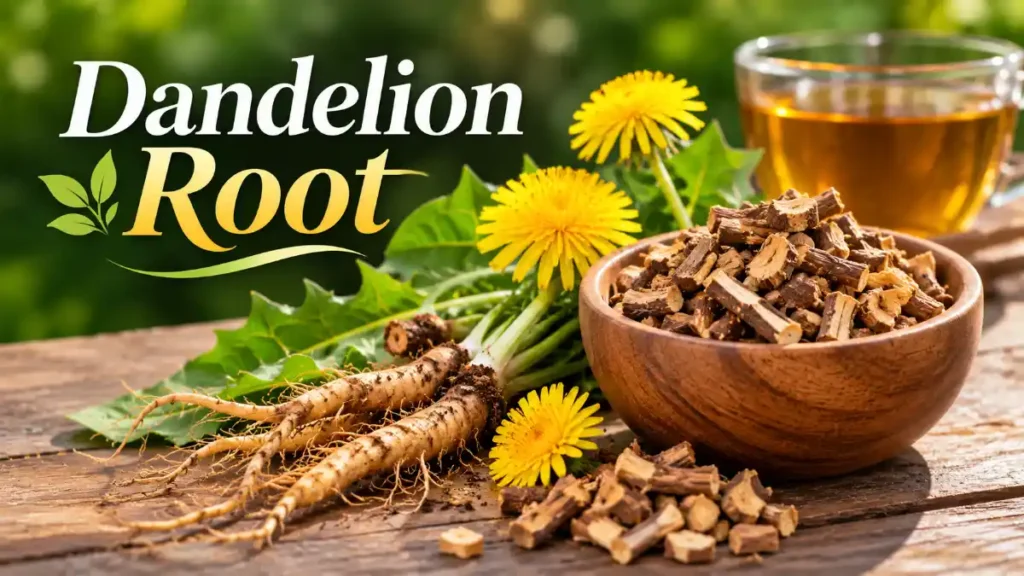
Dandelion root is the below-ground portion of the common dandelion plant (Taraxacum officinale), which is a long-lived herbaceous plant in the Asteraceae family. The root is rich in inulin (a type of prebiotic fiber), bitter compounds, and naturally occurring antioxidants. Although it was traditionally used to treat digestive issues and promote urinary health, today the root can be found in many forms, including herbal teas, caffeine-free alternatives to coffee, and dietary supplements. However, despite the growing popularity of the root, there is still very little convincing human clinical evidence demonstrating its medicinal value.
Dandelion is usually considered safe for consumption as part of a normal diet. However, there has been limited research on whether or not consuming large amounts of dandelion or using it medicinally for extended periods of time is safe for individuals with pre-existing medical conditions and/or who are currently taking prescription drugs.
What Is Dandelion Root?
A dandelion’s taproot is very long and has a brown outside layer with a light colored inside. The taste is bitter/earthy, and when you roast it, it will have a richer flavor and will be similar to coffee.
The root system of plants serves as an important site for storing carbohydrates (like inulin), unlike the above-ground parts of the plant (the leaves and flowers). The root can be consumed raw, dried, roasted, ground into powder, or used to produce capsules, tincture, and liquid extract.
| Feature | Description |
| Scientific name | Taraxacum officinale |
| Plant family | Asteraceae |
| Plant type | Perennial flowering herb |
| Plant part used | Root |
| Taste | Earthy and bitter |
| Important compounds | Inulin, sesquiterpene lactones, phenolic compounds, and triterpenes |
| Caffeine content | Naturally caffeine-free |
| Traditional uses | Digestive complaints, temporary appetite loss, and urinary support |
| Common forms | Tea, roasted root, powder, capsules, and extracts |
| Safety concerns | Allergies, liver and biliary disorders, and medication interactions |
What Does Dandelion Root Contain?
The root contains multiple chemicals that are found in nature, all of which have different types of chemicals and/or nutritional properties.
- Inulin: A fermentable carbohydrate with prebiotic properties.
- Sesquiterpene lactones: These compounds give the roots their unique bitter flavor.
- Phenolic compounds: Plant substances studied for their antioxidant activity.
- Triterpenes: Compounds investigated for potential biological effects.
- Phytosterols: Naturally occurring plant sterols.
- Polysaccharides: Complex carbohydrates that include inulin and other compounds.
The chemical makeup of dandelions varies based on their growing environment, when they are harvested, how they are roasted, and the method used for extraction.
Potential Dandelion Root Benefits
There has been some research on how dandelions could possibly be good for you. This has mostly come from using dandelions in traditional medicine, doing experiments with them in laboratories, and testing them out on animals. These types of studies have provided a foundation for more work to be done. However, this type of work is not as credible as doing clinical trials on humans that are properly designed.
| Potential benefit | Available evidence | Clinical significance |
| Digestive health | Traditional use | Clinical effectiveness remains uncertain |
| Prebiotic activity | Research involving inulin | Benefits from specific root preparations remain uncertain |
| Liver health | Laboratory and animal studies | No established therapeutic benefit |
| Urinary support | Traditional use | Limited root-specific human evidence |
| Antioxidant activity | Experimental studies | Human health outcomes remain uncertain |
| Anti-inflammatory effects | Mainly preclinical research | Insufficient clinical evidence |
| Blood sugar regulation | Experimental research | Not an established diabetes treatment |
| Cardiovascular health | Mainly preclinical research | Insufficient human evidence |
| Weight management | Insufficient evidence | No proven fat-loss benefit |
| Cancer treatment | Laboratory research | Not a proven cancer treatment |
Digestive Health and Prebiotic Fiber
Dandelion root is traditionally used for relief from mild digestive upset, a feeling of being full, and short-term lack of hunger. It contains naturally occurring bitter compounds which make it a common ingredient in traditional digestive products.
The root of this plant is a source of inulin, a type of carbohydrate that some of the bacteria in the human gut use as food. In contrast to probiotic products, which contain living microorganisms, prebiotics provide fuel for existing microorganisms in the human gut.
The quantity of inulin present in herbal tea will depend on the processing and preparation of the root. One cup of tea may have insufficient prebiotic fiber to provide a detectable improvement in digestion. Individuals who are sensitive to fructans, such as people with IBS, may also suffer from gas or bloating.
Liver Health and Detoxification
The potential of dandelion extracts (such as root extracts) to affect liver inflammation, oxidative stress, and lipid metabolism has been studied in both laboratory and animal models.
Experimental studies show promise but do not provide evidence that drinking dandelion tea will help cleanse the liver or treat fatty liver disease. Your liver and kidneys are the primary organs responsible for processing and eliminating waste products from your system.
Even though many popular detoxification products use the root as an active ingredient, it is not recommended to take this root medicinally if you have a liver condition or some gallbladder issues.
Diuretic Effects and Urinary Health
It has been shown through some studies that certain plants have had a long-standing reputation of being traditionally used to treat both the symptoms associated with the urinary system and increase the volume of urine produced. However, while studying dandelion leaves may provide evidence regarding these benefits, it does not mean that those same benefits will also be seen when using the dandelion root.
Neither formulation is a replacement for prescribed diuretic medications or medical management of excessive body fluid accumulation (edema), renal dysfunction, and/or urinary tract infections.
Antioxidant and Anti-Inflammatory Properties
The antioxidant and anti-inflammatory activities of phenolic compounds and other components of dandelions have been demonstrated by experimental studies.
These results use individual components of plants or plant extracts. There is no proof that consuming regular root tea can help reduce chronic inflammation, protect against illness, slow down the aging process, or improve the immune system.
Blood Sugar and Cardiovascular Health
Researchers have investigated the effects of various types of dandelion preparations and single isolated components on glucose metabolism, blood cholesterol, and cardiovascular health.
Most research regarding the effects on cardiovascular systems has been conducted through laboratory testing, but there is not enough evidence to prove that these tests provide significant benefits for humans. Anyone who takes diabetes medication should consult their physician before using any type of medicinal preparation due to potential adverse drug interactions.
Weight Loss and Female Health
Replacing sugar-sweetened beverages with unsweetened dandelion tea can lower total caloric intake. There is no proof that the root aids in fat loss. Losing fluid is not similar to losing body fat.
There is also no compelling root cause-specific clinical evidence to support claims about hormonal imbalances, menstrual bloating, PCOS, fertility issues, menopausal symptoms, or the health of one’s skin.
Can Dandelion Root Treat Cancer?
The effect of concentrated root extracts on cancer cell viability was studied by researchers in vitro. An agent that has been shown to kill isolated cancer cells in vitro may not be safe or effective when administered to humans.
Dandelion root is not a clinically validated form of cancer therapy. A minimum effective dose of dandelions for treating cancer has not yet been determined, and some types of herbal supplements can negatively impact the effectiveness of other prescription drugs. Individuals receiving active cancer treatment should consult with their healthcare provider regarding the use of these types of products.
Dandelion Root Tea and How to Prepare It
Dandelion Root Tea is a herbal drink prepared from the dried or roasted roots of the plant. Since dandelion root tea contains no caffeine, it provides a viable option for those individuals wishing to decrease their consumption of caffeine as well as provide a viable alternative to coffee.
Preparation of herbs can be done using either an infusion (steeping the herb in hot water) or a decoction (simmering the herb to release water-soluble ingredients).
How to Make Dandelion Root Tea
Ingredients:
- 1 teaspoon of food-grade dried dandelion root
- 1 cup of water (approximately 240 mL)
- Cinnamon, milk, or plant-based milk (optional)
Preparation:
- Heat the water in a small saucepan.
- Add the dried root.
- Simmer gently for 5–10 minutes or follow the package instructions.
- Strain the liquid into a cup.
- Allow it to cool slightly before drinking.
The purpose of this recipe is to create a beverage and not provide a therapeutic dosage. Only utilize food-grade roots that have been accurately identified, and do not collect roots from locations that have been treated with pesticides or are known to contain contaminated soils.
Roasted vs. Unroasted Dandelion Root
The unroasted root has an earthiness to its flavor, as well as bitterness. It is frequently used in traditional herbal preparations. When roasted, the root becomes darker in color and takes on a toasted, coffee-like flavor.
Both types are naturally caffeine-free. Some commercial blends have added ingredients with caffeine. Roasting can alter the root’s chemistry. There is no proof that one type has more medical benefits than the other.
Dandelion Root vs. Dandelion Leaf and Chicory Root
While the root and leaves of this plant are derived from the same source, there are differences in their chemical makeup, application in cooking, and use in traditional medicine.
The root has been used historically to treat digestive and urinary conditions because it contains inulin and bitter substances. The leaves contain many vitamins, minerals, and other types of plant material. They are typically consumed as a green vegetable or in traditional remedies for urinary problems.
Therefore, the differences in nutritional value and scientific research on each part of the plant will determine if you can use the same information for both parts of the plant.
Chicory roots (Cichorium intybus) are also rich in inulin, and they are often used for roasting as an alternative to caffeinated coffee. Although research on the use of purified chicory-derived inulin has not shown that there are similar health benefits associated with drinking dandelion root tea, it is possible that there may be other reasons why these two types of teas would have positive effects.
How Much Dandelion Root Should You Take?
The use of daily doses has not yet been accepted as a standard practice for overall health, digestion, weight management, and/or liver function.
Tea, capsules, powders, tinctures, and liquid extracts vary greatly in their concentrations and components. The dosage of traditional herbs is not necessarily the same as the clinically proven therapeutic dosage.
You must read and follow the preparation directions provided on the supplement’s package, and speak with your doctor or other health care provider prior to taking concentrated supplements as part of your treatment plan.
Best Time to Take Dandelion Root
There is no evidence to suggest that consuming dandelion root at a specific time of day makes it more potent. People who replace their daily cup of coffee with dandelion tea might prefer to drink it in the morning. Additionally, traditionally made bitter remedies are often consumed before meals.
If you drink the tea prior to going to sleep, it could cause you to have to use the bathroom more frequently, which can be an inconvenience. People who are experiencing some level of stomach discomfort would most likely find that drinking the tea either with food or after eating will help to alleviate their discomfort.
Dandelion Root Side Effects and Safety
For the majority of people, dandelions are generally safe when consumed in normal amounts, but there are certain people who will react negatively to eating dandelions.
Possible side effects include:
- Abdominal discomfort
- Gas and bloating
- Heartburn
- Loose stools
- Allergic reactions
In sensitive individuals, the fermentation of some carbohydrates (e.g., inulin) can cause digestive discomfort. Whether or not someone experiences symptoms is determined by how the food was prepared, how much was eaten, and the person’s ability to tolerate these types of carbohydrates.
Another possible outcome is increased urination; however, it has yet to be determined if increased urination is a common result of taking preparations made from roots.
Who Should Avoid Dandelion Root?
People with specific health concerns, or people on prescription medication, can either avoid using medicinal products or obtain professional input regarding the use of such products.
| Condition or population | Precaution |
| Gallstones | Medicinal use is not recommended |
| Bile duct obstruction | Avoid medicinal preparations |
| Cholangitis and other biliary disorders | Medicinal use is not recommended |
| Liver disease | Medicinal use is not recommended |
| Kidney disease | Seek medical advice before supplemental use |
| Medically restricted fluid intake | Avoid using it to increase urine production |
| Asteraceae plant allergies | Avoid if allergic to dandelion or other plants in this family |
| Pregnancy and breastfeeding | Medicinal use is not recommended due to insufficient safety data |
| Children under 12 | Medicinal use is not recommended |
| IBS or fructan sensitivity | May aggravate digestive symptoms |
| Prescription medication users | Consult a healthcare professional or pharmacist |
These precautions primarily relate to dietary supplements (including concentrated) and herbal remedies, as opposed to daily food intake. Regardless of whether a person is consuming plants in the form of dietary supplements or through their daily meals, individuals with a known plant allergy should continue to exercise caution.
Dandelion Root and Medication Interactions
Dandelion preparations may interact with several types of medications:
- Diabetes medications: May have additional effects on blood sugar levels.
- Diuretics: May influence urination and fluid balance.
- Anticoagulants and antiplatelets: Although limited clinical evidence has shown potential interactions, none have been documented.
- Immunosuppressant use: The reporting of a patient taking an herbal tea made with dandelion has raised concerns regarding potential changes to drug levels.
- Some types of prescription drugs, such as some of the drugs used to treat cancer, may hurt enzymes that are responsible for the body’s ability to metabolize medications. This has been shown through laboratory testing.
The vast majority of the interactions described above are based on either theory or a very small amount of data. Specifically, it has not been demonstrated through scientific studies that the use of only isolated dandelion root led to the reported interaction with immunosuppressive medications.
If you use prescription drugs, discuss taking a dandelion supplement with your physician or pharmacist before beginning. Contact a health care provider if you experience any of the following symptoms: jaundice, unusual swelling, continued abdominal pain, or a possible adverse effect. For serious allergic reactions, obtain immediate medical assistance.
How to Choose and Store Dandelion Root Products
When purchasing herbal tea or supplement, you need to remember that there may be significant differences in the quality of products produced by various companies. Therefore, when making your selection, you should consider the following:
- Confirm the botanical name is correct, and make sure you are purchasing the root portion of the plant and not the leaves or entire plant.
- Review the serving size, extract concentration, and extraction ratio if appropriate.
- Be on the lookout for other sweeteners, fillers, flavoring agents, and ingredients containing caffeine.
- I will select a manufacturer that conducts independent testing for contaminants when possible.
- Check expiration dates, batch information, and recommended storage conditions.
An organic label and/or high-priced products do not automatically offer more effective health benefits.
Store dried root in a sealed container, protected from moisture, excessive heat,t and direct sunlight. Refer to the manufacturer’s storage instructions for powders, tinctures, es and liquid extracts.
Frequently Asked Questions
What is dandelion root good for?
Dandelion root has traditionally been used for mild digestive complaints, temporary loss of appetite, and urinary support. It contains inulin, a prebiotic fiber, and can be enjoyed as a caffeine-free alternative to coffee. However, strong clinical evidence supporting its medicinal benefits is still lacking.
Does dandelion root really help detoxify the liver?
No convincing human clinical evidence shows that dandelion root detoxifies the liver. Although experimental studies have explored its potential liver-related effects, medicinal preparations are not recommended for people with liver or biliary disorders.
Can you drink dandelion root tea every day?
Some healthy adults may tolerate dandelion root tea in ordinary dietary amounts, but the safety of prolonged medicinal use remains uncertain. Whether daily consumption is appropriate depends on the tea’s concentration, individual tolerance, existing health conditions, and medication use.
What are the side effects of dandelion root, and who should avoid it?
Possible side effects include gas, bloating, heartburn, digestive discomfort, and allergic reactions. People with liver or gallbladder disorders or relevant plant allergies should avoid medicinal preparations. Pregnant or breastfeeding individuals and people taking prescription medications should seek professional guidance before use.
What is the difference between dandelion root and dandelion leaf?
Dandelion root contains inulin and bitter compounds and is commonly used in herbal teas and caffeine-free coffee substitutes. The leaves contain various vitamins and minerals and are often eaten as leafy greens. Both have traditional medicinal uses, but their chemical composition and available scientific evidence differ.