
Dental Clinic: Services, Costs, and How to Choose the Right One
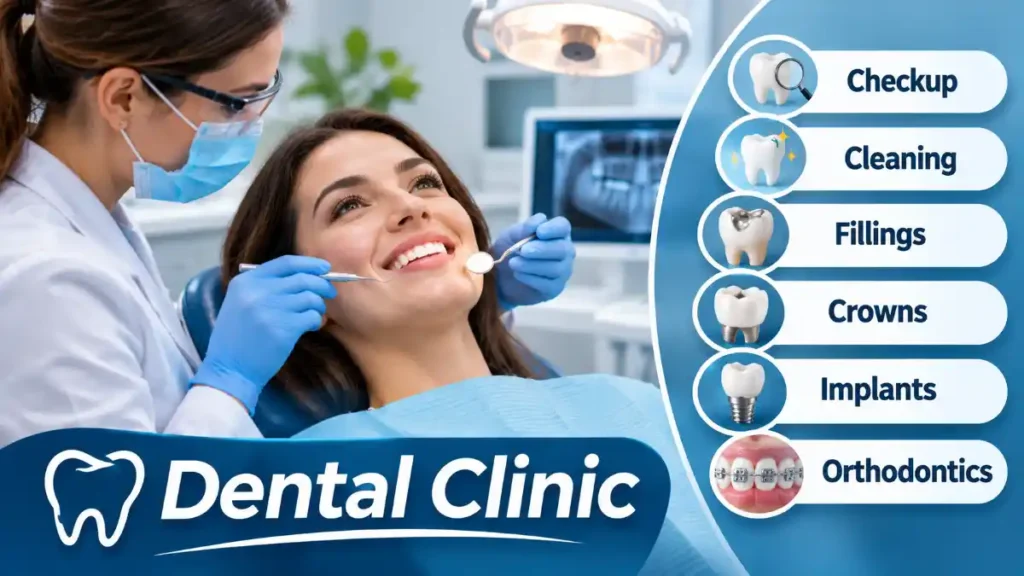
A dental clinic is a healthcare facility where qualified dental professionals diagnose, prevent, and treat conditions affecting the teeth, gums, and mouth. Dental clinics offer everything from routine checkups and cleanings to fillings, crowns, extractions, and specialized procedures. When choosing a clinic, look for licensed professionals, services that match your needs, clear pricing, and appointment times that work for you.
If you’re searching for a dental clinic near me, compare local practices based on their services, dentist qualifications, office hours, patient reviews, insurance participation, and emergency care options. Check the clinic’s current address and contact details before visiting. It’s also worth calling ahead to confirm that it accepts new patients and provides the treatment you’re looking for.
What Services Does a Dental Clinic Offer?
Dental clinics provide preventive care, treatment for damaged or diseased teeth, and procedures that improve dental appearance. Some practices handle a wide range of needs, while others specialize in particular treatments.
| Dental service | What it involves | When you may need it |
| Dental examinations | Checking teeth, gums, and overall oral health | Routine checkups or dental concerns |
| Professional cleanings | Removing plaque and hardened tartar | Preventive dental care |
| Fillings | Repairing cavities or minor tooth damage | Tooth decay or small defects |
| Root canals | Treating infected or inflamed tooth pulp | Certain cases of tooth pain or infection |
| Dental crowns | Covering and protecting damaged teeth | Weakened or extensively damaged teeth |
| Dental bridges | Replacing one or more missing teeth | Missing teeth affecting function or appearance |
| Dental implants | Supporting replacement teeth with implanted fixtures | Replacing missing teeth |
| Tooth extractions | Removing teeth when clinically necessary | Severely damaged or problematic teeth |
| Orthodontics | Correcting tooth alignment and certain bite problems | Crowding, spacing, or bite concerns |
| Cosmetic dentistry | Improving tooth color, shape, or appearance | Staining, chips, or cosmetic concerns |
| Preventive treatments | Applying fluoride treatments or dental sealants | Reducing cavity risk |
Not every dental clinic provides all these services. If your treatment requires specialized expertise or equipment, your dentist may recommend another provider.
Types of Dental Clinics
Different practices serve different patient needs:
- General dental clinics: Handle routine examinations, cleanings, fillings, and common restorative procedures.
- Family dental clinics: Treat patients across different age groups, depending on the practice.
- Pediatric dental clinics: Specialize in dental care for children and adolescents.
- Cosmetic dental clinics: Focus on appearance-related treatments, including whitening, veneers, and dental bonding.
- Specialist dental clinics: Provide focused care in areas such as orthodontics, endodontics, periodontics, or oral surgery.
- Emergency dental clinics: Evaluate and treat urgent problems, including dental injuries and severe toothaches.
- Community dental centers: May provide lower-cost or more accessible services to eligible patients.
A cosmetic dentist may offer several appearance-focused treatments, but cosmetic dentistry itself isn’t a formally recognized dental specialty in the United States. A dentist’s training and experience with the specific procedure still matter.
How to Find and Choose a Good Dental Clinic Near You
The best dental clinic for you isn’t necessarily the one with the most five-star reviews. What matters is whether the practice offers appropriate care, has qualified professionals, explains treatment options clearly, and fits your budget and schedule.
When comparing clinics, use these factors to choose the right dentist for your needs:
- Location and accessibility: Look for a clinic that’s convenient to reach, has suitable appointment hours, and offers accessible facilities if needed.
- Licensing and qualifications: Check the dentist’s license through the appropriate state dental board. For specialized treatment, ask about relevant training and experience.
- Services and referrals: Make sure the clinic provides the treatment you need or can arrange a referral to a suitable specialist.
- Hygiene and safety: Ask how the practice follows dental infection-prevention guidelines, including hand hygiene, instrument sterilization, protective equipment, and treatment-area cleaning.
- Patient communication: A good dental team should explain diagnoses, available treatments, potential risks, and expected charges without rushing your questions.
- Insurance and payment: Confirm that the dentist participates in your insurance network and ask about available payment methods.
- Patient reviews: Read feedback for patterns involving communication, scheduling, and billing. Remember that individual experiences don’t necessarily reflect clinical quality.
The American Dental Association’s Find-a-Dentist directory can help you locate ADA member dentists by location. However, not every licensed dentist appears in the directory, so it’s still important to verify professional credentials independently.
Questions to Ask Before Booking
A short phone call can clear up important details before your appointment. Consider asking:
- Are you accepting new patients?
- Do you offer the treatment I need?
- Are you in-network with my dental insurance plan?
- Can you provide a written, itemized treatment estimate?
- Will I need a referral if specialist care is necessary?
- Do you offer emergency appointments or after-hours guidance?
The answers can help you narrow your choices without relying entirely on advertising or online ratings.
How Much Does a Dental Clinic Visit Cost?
Dental clinic costs depend on several factors, including where you live, the treatment required, diagnostic tests, materials, and the provider’s fees.
An initial appointment may include an examination and X-rays when clinically necessary. Cleanings, fillings, crowns, root canals, and other procedures are often billed separately.
Because fees differ significantly between US clinics, there’s no single price that accurately represents every dental visit. Before starting treatment, request a written estimate that breaks down examination fees, imaging, procedures, materials, and follow-up care. Ask whether the quoted amount covers every necessary appointment or excludes additional specialist charges.
For more involved procedures, such as tooth replacement, reviewing the full cost matters even more. For example, affordable dental implants may involve separate charges for the implant, connecting components, final restoration, imaging, or preparatory procedures.
If you have dental insurance, check:
- Whether the dentist is in your plan’s network.
- Your deductible and annual benefit maximum.
- Coverage percentages, exclusions, and waiting periods.
- Whether the proposed treatment requires prior authorization or additional documentation.
A clinic accepting your insurance doesn’t automatically mean every procedure will be covered. Confirm your benefits with your insurer before committing to expensive treatment.
Affordable Dental Clinics and Payment Options
If dental costs are a concern, community health centers, dental school clinics, and practices offering payment arrangements may be worth exploring.
Some community health centers calculate fees based on household income. Dental schools may provide treatment at reduced rates under the supervision of licensed professionals, although appointments sometimes take longer than they would at a private practice.
The federal government’s low-cost dental care resources can help you explore community health centers and educational clinics.
You can also ask whether a dental practice offers installment payments or financing. Before agreeing, review interest charges, repayment terms, and any additional fees.
What Happens During Your First Dental Clinic Visit?
Your first visit typically begins with questions about your medical history, medications, previous dental treatments, and current concerns. Bring your insurance information, a medication list, and relevant dental records if you have them.
During the examination, the dentist checks your teeth, gums, and mouth for signs of problems. Depending on your symptoms and oral health needs, the appointment may also include gum measurements or dental X-rays.
Once the examination is complete, the dentist should explain the findings and discuss recommended treatment. You should have an opportunity to ask about alternatives, potential risks, expected costs, and what each procedure involves before giving informed consent.
Other dental team members may also participate in your care. Dental hygienists provide preventive services and other permitted procedures, while dental assistants help prepare treatment areas and support dentists during appointments. Their responsibilities vary according to state regulations.
If you’re nervous about dental treatment, concerned about pain, or need accessibility accommodations, mention this when scheduling. The clinic can explain which support and pain-management options are available.
When Should You Visit an Emergency Dental Clinic?
An emergency dental clinic may be the right choice when pain, injury, or another oral health problem needs prompt attention rather than a routine appointment.
Seek urgent dental advice if you experience:
- Severe or persistent tooth pain.
- A knocked-out or badly broken tooth.
- Swelling that may indicate a dental infection.
- Bleeding that continues after dental treatment or an injury.
- Trauma involving your teeth or surrounding tissues.
A knocked-out permanent tooth needs immediate attention. Hold it by the crown, not the root, and keep it moist. If you cannot safely return it to its socket, placing it in milk or an appropriate tooth-preservation solution can help while you seek emergency dental care. The American Dental Association provides additional guidance for dental emergencies.
Call 911 or seek emergency medical care immediately if swelling makes breathing or swallowing difficult, or if bleeding is severe and uncontrolled. These symptoms can indicate a medical emergency requiring more than routine dental treatment.
Emergency appointment availability differs between clinics. Always call ahead when possible to confirm opening hours and whether the practice can treat your condition.
Frequently Asked Questions
Do dental clinics accept walk-in patients?
Some dental clinics accept walk-in patients, especially when urgent treatment is needed. Others work primarily by appointment. Calling beforehand is the easiest way to find out whether the clinic can see you that day and avoid an unnecessary trip.
How often should I visit a dental clinic?
Your dentist should recommend a checkup schedule based on your oral health, medical history, and risk of problems such as cavities or gum disease. Six-month visits are common, but some patients need more frequent care, while others may be advised to return less often.
Do dental treatments hurt?
Some procedures can cause discomfort, but dentists commonly use local anesthesia to numb the treatment area when needed. How you feel depends on the procedure and your individual sensitivity. If you’re worried about pain or dental anxiety, discuss anesthesia, comfort measures, and what to expect with your dentist before treatment.